

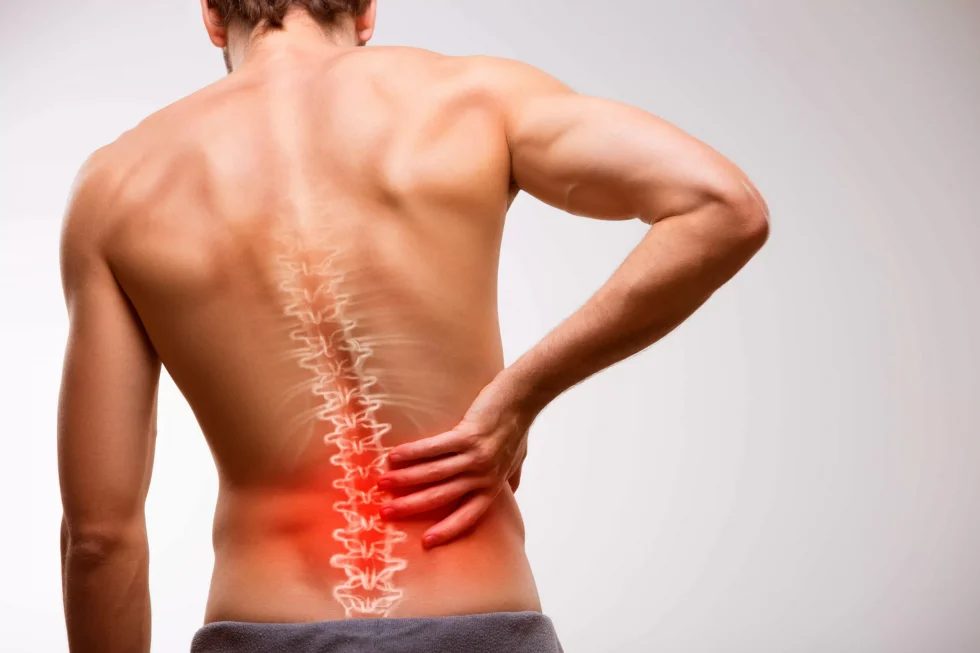
Sciatica (often called sciatic nerve pain) is a sharp, shooting pain that starts in your lower back or buttock and travels down one leg, sometimes all the way to your foot. It’s one of the most common reasons people seek help for lower back pain.
If you’re dealing with sciatica, you’re not alone and you don’t have to live with the pain. Keep reading to understand what’s really going on, why it happens, and how chiropractic care can provide real relief without drugs or surgery.
What Is the Sciatic Nerve?
The sciatic nerve is the longest and thickest nerve in your body. It starts in your lower spine (lumbar and sacral regions), runs through your pelvis, down the back of each thigh, and branches into your feet and toes.
This nerve has two main jobs:
- It controls many of the muscles in your lower legs and feet (so you can walk, stand, and balance).
- It carries sensation from your skin, everything from touch to temperature.
When this nerve gets irritated or compressed, you feel it big time.
Common Causes of Sciatica
Sciatica is not a condition on its own; it’s a symptom of something pressing on or irritating the sciatic nerve. The most common culprits are:
- Herniated or Bulging Disc The soft cushions between your vertebrae can bulge or rupture and press on the nerve roots that form the sciatic nerve.
- Spinal Stenosis Age-related narrowing of the spinal canal can squeeze the nerve roots in the lower back.
- Piriformis Syndrome The piriformis muscle (deep in your buttock) can tighten or spasm and irritate the sciatic nerve as it passes nearby.
- Spondylolisthesis When one vertebra slips forward over the one below it, it can pinch the nerve.
- Degenerative Disc Disease Years of wear and tear cause discs to lose height and put extra pressure on the nerve roots.
- Injury or Trauma Car accidents, falls, or sports injuries can damage the spine or surrounding tissues.
- Rare Causes Tumors, infections, or pregnancy can also compress the nerve (these require immediate medical attention).
Getting an accurate diagnosis is key, treating the root cause gives you the fastest, longest-lasting relief.
What Does Sciatica Feel Like?
Symptoms vary from person to person, but most people experience one or more of the following:
- Sharp, burning, or electric-shock-like pain that shoots from the lower back or buttock down the leg
- Pain that gets worse when sitting, standing up, coughing, or sneezing
- Numbness, tingling, or “pins and needles” in the leg or foot
- Weakness in the affected leg, sometimes making it hard to lift your foot
- Pain in only one leg
Who Is Most at Risk?
You’re more likely to develop sciatica if you:
- Are over 40 (natural aging changes in the spine)
- Are overweight (extra stress on the lower back)
- Sit for long periods or have poor posture
- Do heavy lifting or repetitive twisting motions at work
- Have a job or hobby that involves a lot of driving (vibration + sitting)
How Chiropractic Care Helps Sciatica
Chiropractors focus on finding and fixing the underlying problem, not just masking the pain with medication.
Common chiropractic treatments for sciatica include:
- Gentle Spinal Adjustments – Restore proper alignment, take pressure off the nerve, and improve motion.
- Decompression Therapy – Helps bulging discs retract and reduces nerve irritation.
- Soft-Tissue Work – Releases tight piriformis or hip muscles that may be pinching the nerve.
- Corrective Exercises & Stretches – Strengthen your core and improve flexibility to prevent flare-ups.
- Lifestyle & Ergonomic Advice – Simple changes to how you sit, lift, and sleep can make a huge difference.
Most patients notice improvement within a few visits, and many avoid the need for painkillers or surgery altogether.
Take the Next Step Toward Pain-Free Living
Sciatica can make everyday activities like walking, sitting, even sleeping miserable. The good news? You don’t have to “just live with it.”
Chiropractic care offers a safe, natural, and highly effective way to relieve sciatic pain by treating the cause, not just the symptoms.