

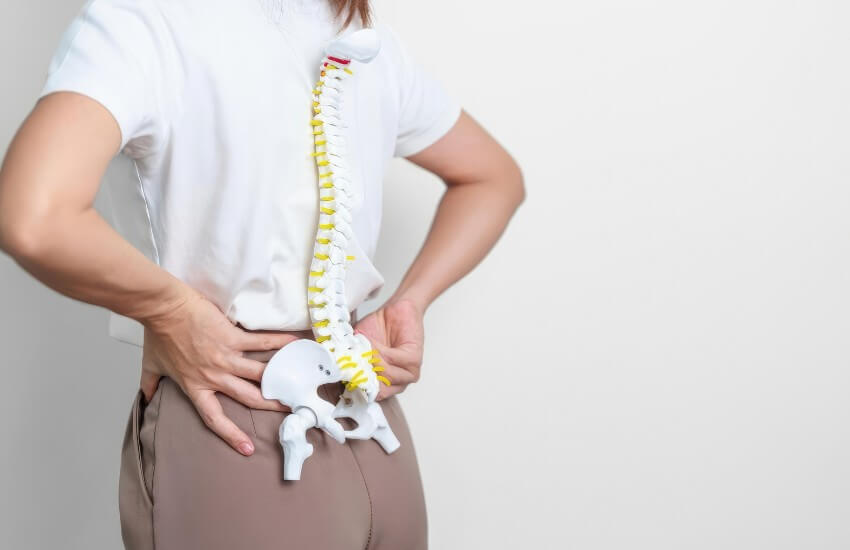
Stress Is Not Just “In Your Head”
Burnout is often discussed in emotional or psychological terms, yet a growing body of research demonstrates that chronic stress and burnout are closely linked with physical symptoms, particularly musculoskeletal pain.
Neck pain, shoulder tension, back discomfort and generalised body aches are commonly reported by individuals experiencing prolonged stress. These symptoms are not imagined; they reflect measurable physiological responses within the nervous, muscular and endocrine systems.
Understanding this mind–body interaction is essential for addressing physical discomfort in a comprehensive and responsible manner.
What Is Burnout?
The World Health Organization defines burnout as an occupational phenomenon, characterised by:
-
emotional exhaustion,
-
mental distancing or cynicism related to work, and
-
reduced professional efficacy.
Burnout is not classified as a medical condition, but it is recognised as a significant factor influencing physical and mental health outcomes.
The Physiological Stress Response
When the body perceives stress, it activates the sympathetic nervous system, initiating the “fight-or-flight” response. This leads to:
-
increased muscle activation,
-
elevated cortisol levels,
-
heightened pain sensitivity, and
-
altered breathing and posture.
While this response is adaptive in short bursts, chronic activation can contribute to sustained muscle tension and reduced recovery, increasing vulnerability to musculoskeletal discomfort (McEwen, 2007).
How Chronic Stress Influences Musculoskeletal Pain
Increased Muscle Tension
Prolonged stress is associated with increased resting muscle tone, particularly in the neck, shoulders and lower back. Studies show that individuals experiencing high stress levels demonstrate increased electromyographic (EMG) activity in postural muscles, even at rest.
Over time, this sustained tension may contribute to muscle fatigue, stiffness and pain.
Altered Pain Processing
Chronic stress can also influence how the brain processes pain signals. Research suggests that stress affects central pain modulation pathways, potentially lowering pain thresholds and amplifying pain perception.
This may help explain why individuals under prolonged stress often report pain in multiple areas of the body without a clear structural injury.
The Role of Sleep Disruption
Stress and burnout are strongly associated with poor sleep quality. Sleep disturbance has been identified as a key mediator between stress and musculoskeletal pain.
Inadequate sleep impairs tissue recovery, increases inflammation and alters pain sensitivity, creating a cycle where pain and stress reinforce one another.
Evidence From Occupational Health Research
Large population-based studies have consistently found:
-
Strong associations between burnout and neck, shoulder and back pain
-
Increased multisite pain in individuals reporting high emotional exhaustion
-
Higher pain prevalence in occupations with sustained psychosocial stress
A longitudinal study published in the Journal of Psychosomatic Research found that burnout predicted the development of musculoskeletal pain over time, even after controlling for physical workload.
Posture, Stress and the Modern Work Environment
Stress often influences posture unconsciously. Individuals under mental load tend to:
-
adopt forward head posture,
-
elevate the shoulders,
-
reduce movement variability,
-
engage in prolonged static sitting.
These postural adaptations increase mechanical load on the spine and surrounding tissues, compounding stress-related muscle tension.
Supporting the Body During Periods of Chronic Stress
A comprehensive approach to physical wellbeing during high stress periods may include:
Movement and Physical Activity
Regular, moderate movement has been shown to reduce stress-related muscle tension and improve pain outcomes.
Ergonomic Awareness
Optimising workstation setup can reduce unnecessary mechanical strain and support postural endurance.
Nervous System Regulation
Breathing practices, movement breaks and relaxation techniques may help shift the nervous system toward a parasympathetic (rest-and-recover) state.
Professional Support
Persistent pain, fatigue or functional limitations should be assessed by an appropriately qualified healthcare professional.
The Role of Chiropractic Care
Chiropractic care focuses on the assessment and management of musculoskeletal function, posture and movement. Care may include manual therapy, movement-based strategies and education aimed at supporting physical comfort and functional capacity.
Chiropractic care does not treat burnout itself but may assist in addressing the musculoskeletal manifestations associated with prolonged stress as part of a broader, multidisciplinary approach.
Burnout and chronic stress have clear physiological consequences that extend beyond mental wellbeing. Through sustained nervous system activation, altered pain processing and disrupted recovery, chronic stress can significantly influence musculoskeletal comfort and function.
Recognising these connections allows individuals and healthcare providers to adopt more holistic, evidence-informed strategies to support physical wellbeing during demanding life periods.
References
-
World Health Organization. (2019). Burn-out an occupational phenomenon.
https://www.who.int/news/item/28-05-2019-burn-out-an-occupational-phenomenon -
McEwen, B. S. (2007). Physiology and neurobiology of stress and adaptation. Physiological Reviews, 87(3), 873–904.
https://journals.physiology.org/doi/full/10.1152/physrev.00041.2006 -
Lundberg, U. (2002). Psychophysiology of work: Stress, gender, endocrine response and work-related upper extremity disorders. American Journal of Industrial Medicine, 41(5), 383–392.
https://pubmed.ncbi.nlm.nih.gov/12058969/ -
Melzack, R. (1999). From the gate to the neuromatrix. Pain, 82(Suppl 1), S121–S126.
https://pubmed.ncbi.nlm.nih.gov/10491980/ -
Finan, P. H., Goodin, B. R., & Smith, M. T. (2013). The association of sleep and pain. Journal of Pain, 14(12), 1539–1552.
https://pubmed.ncbi.nlm.nih.gov/24290442/ -
Langballe, E. M., et al. (2009). Burnout and musculoskeletal pain. Journal of Psychosomatic Research, 67(4), 287–296.
https://pubmed.ncbi.nlm.nih.gov/19773022/ -
Geneen, L. J., et al. (2017). Physical activity and exercise for chronic pain in adults. Cochrane Database of Systematic Reviews.
https://www.cochranelibrary.com/cdsr/doi/10.1002/14651858.CD011279.pub3/full